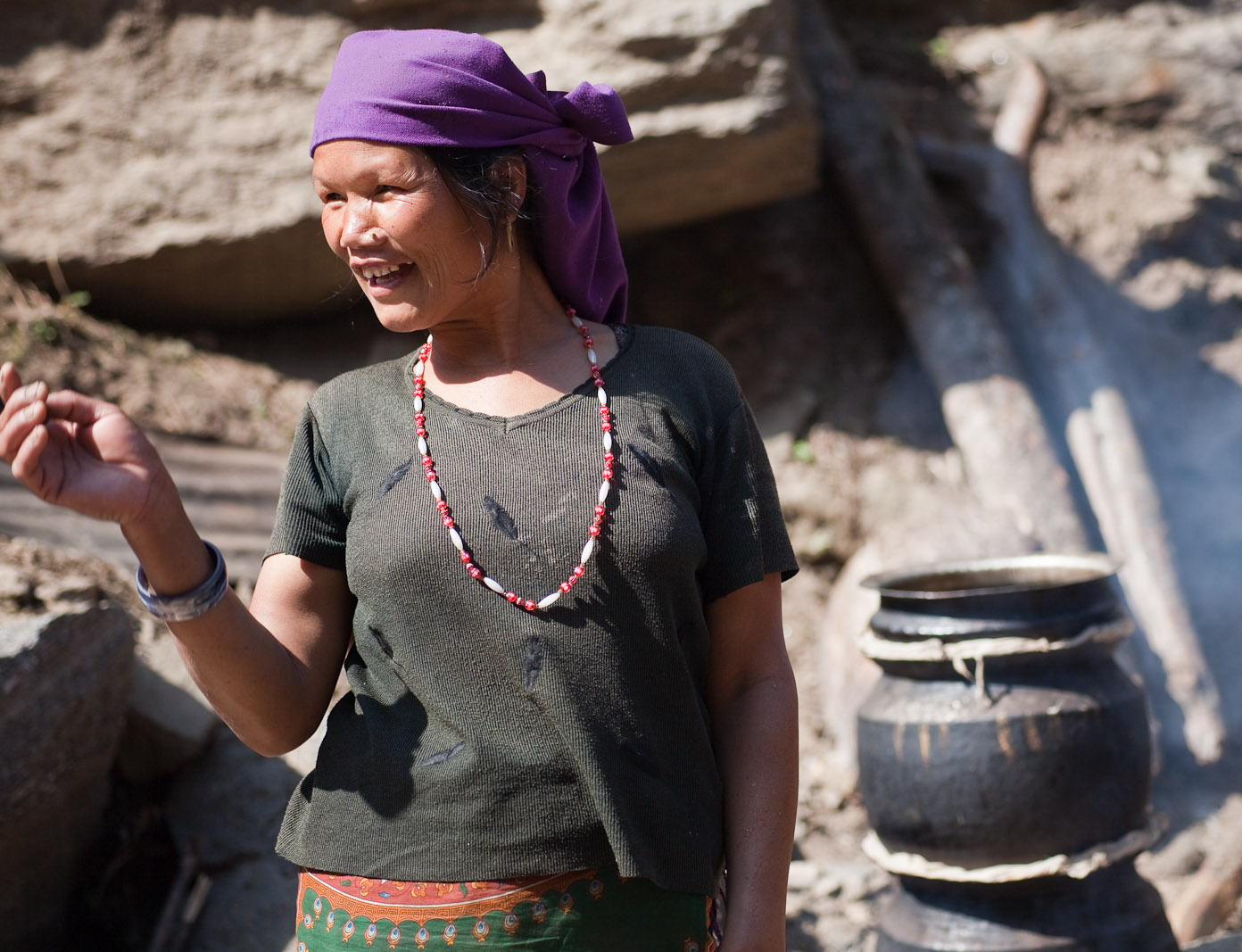
そば Soba Shochu: Japanese Buckwheat Liquor

Buckwheat is cracked and steamed to make groats

Soba Shochu is a traditional Japanese liquor made from buckwheat. It’s a single-distilled liquor, of a type known as Honkaku Shochu.

The flavor of soba shochu is dominated by the nutty, grainy aroma of buckwheat. It has a mild sweetness, and a smooth finish. Umami notes of sesame, peanut butter, cereal, and peach are sometimes also present, along with herbal or vegetal tastes, particularly when its starter, or moto, uses rice or barley koji

Soba shochu was first developed in the 1970s in Miyazaki prefecture, owing to the prominence of buckwheat farming there, as well as in Nagano prefecture, which also produces a buckwheat crop and soba shochu.
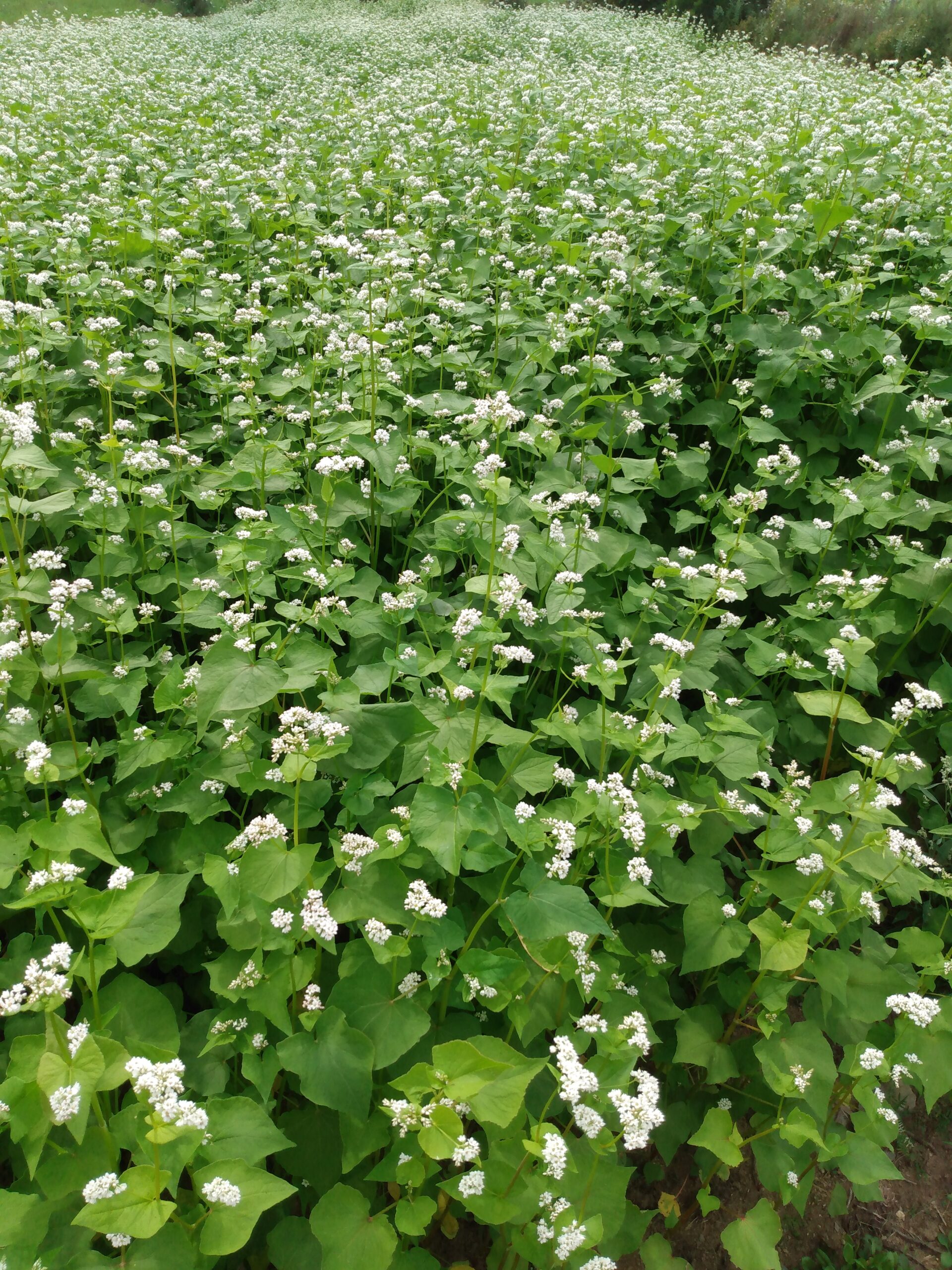
Buckwheat in bloom

The process of making soba shochu involves steaming buckwheat groats, and then adding it to a moto (starter) to create a moromi (mash). After 30 days, the mash is typically completely fermented. The mash is strained to remove the solids, leaving a liquid of about 5% alcohol by volume. The liquid is then distilled once, concentrating the alcohol content and flavor components. The result is a distillate of about 30% alcohol. The distillate is diluted to 23-28% with spring water.

Soba shochu pairs well with food such as pork-based dishes, soba noodles, fried oysters, chicken karaage, sesame chicken, and agedashi tofu.

Making Soba Shochu

This recipe is 100% soba, and uses buckwheat groats, which are grains that have been sorted, hulled, and cut into smaller pieces. To kick it off well it is necessary to build a good sized starter by inoculating a batch of soba groats with the kojikin spores, growing them into a sizeable colony of fuzz on the surface of the grains. The resultant starter grains (koji) will turn the grain starches to sugar, feeding the yeast.

Ingredients for 800ml

2 kg buckwheat groats

5 gr Vision Brewing Japanese kojikin

15 gr Cooper ale yeast

5 gr Contessa hops

4 L soft, iron-free water

Method

Make koji moto

Prepare 500g buckwheat groats by placing them in a sieve; wash with a water shower until the water runs clear. Use your hand to rake the grains and agitate any flour into solution and down the drain.

Put the grain in a pot and cover it with soft, iron-free water or deionized water. Soak the grain for one to two hours. The objective is to raise the water content to about 25 to 35 percent by weight. When a grain will crumble to a mash between finger and thumb, it is ready.

Pour the grain back into the sieve and allow it to drain for an hour.

Using a lidded pot that is of a size that will just accept the sieve, steam the grain with enough water for about one hour. Do not allow the grain to touch the water, and place a dish towel over the grain and under the lid to prevent condensed water from dripping onto the grain. After an hour test the grain for doneness. It should be slightly sticky, and of a chewy texture when bitten. It is important to get the correct consistency.

Turn the grain out on to a sanitized baking sheet. Fluff the grains to separate them, and allow to cool to 30 °C (86 °F.)

Stir the grains into a pot, mixing in the kojikin well. Cover the pot with a lid and keep it warm for 30 hours, stirring once every 10 hours. An oven with the light on works well.

Moromi (main mash)

Steam the remaining 1.5 kg grains as described above, and stir this into the pot along with 4 liters of water and the hops and yeast. Keep this mixture at a steady 20 °C (68 °F) for 30 days. For the first 10 days or so, stir the mixture up once a day, until the grains sink beneath the surface by themselves. Then stir the mash once a week for another three weeks. Keep it warm.

Put the fermented mash into a fine mesh bag, and suspend it over the pot until the contents are well drained. Overnight or longer if you can. Transfer the contents of the pot into the still. It should be about 4 liters.

Distill this filtered wash one time, discarding the first 50 ml of output. Collect the still runnings in a 2 liter bottle until the still head temperature reaches 95 °C (204 °F), about 700ml. Adjust the alcohol content to 25%-28% with spring water. Age for one to three months, shaking the bottle occasionally to add oxygen.

Serving Soba Shochu
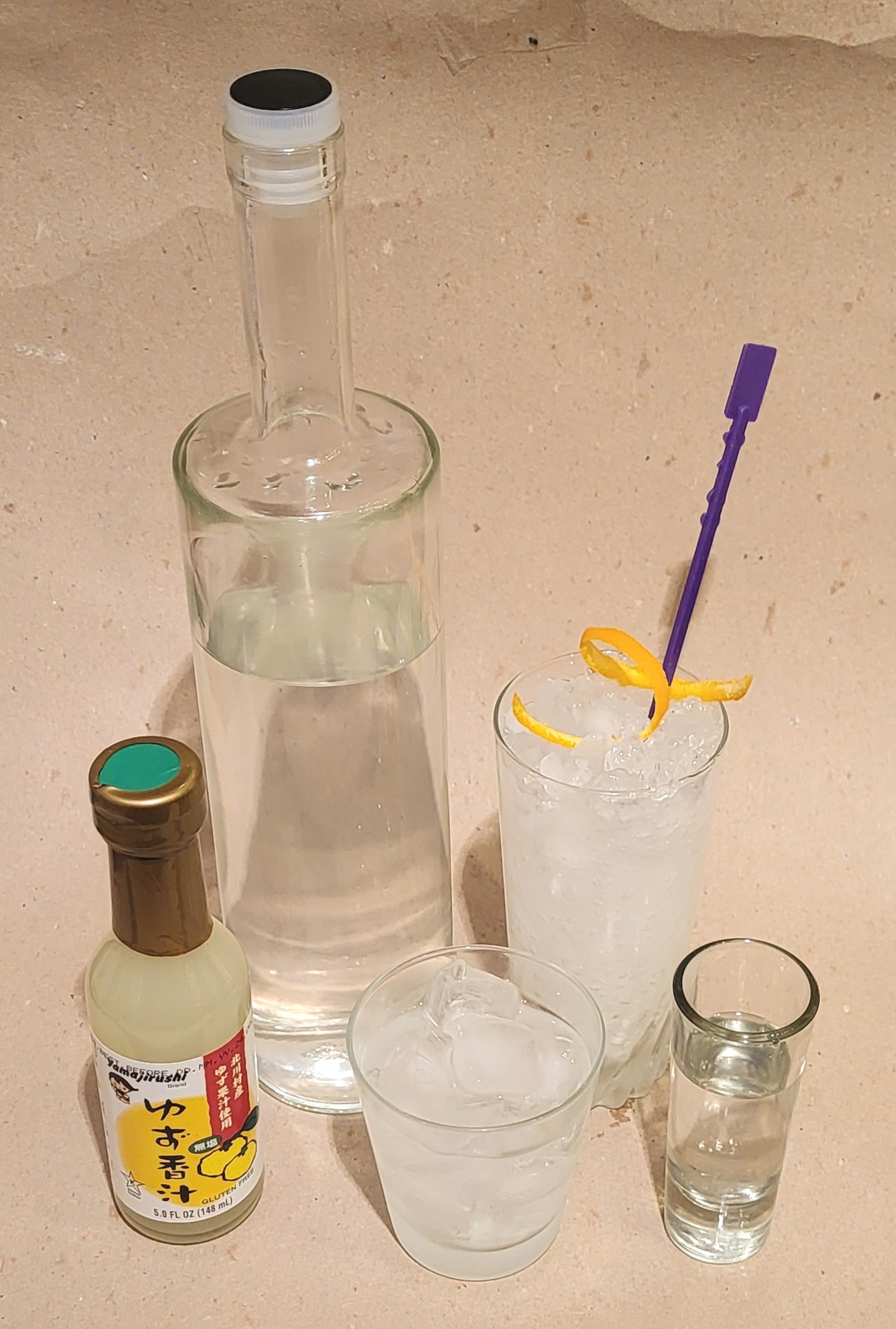
Soba shochu neat, rocks, highball

Serve soba shochu neat, on the rocks (rokkusu), or as a highball. Here’s a good one:

Fill a large highball glass with crushed ice, add:

Yuzu Soba Spritz

40 ml soba shochu

10 ml yuzu juice

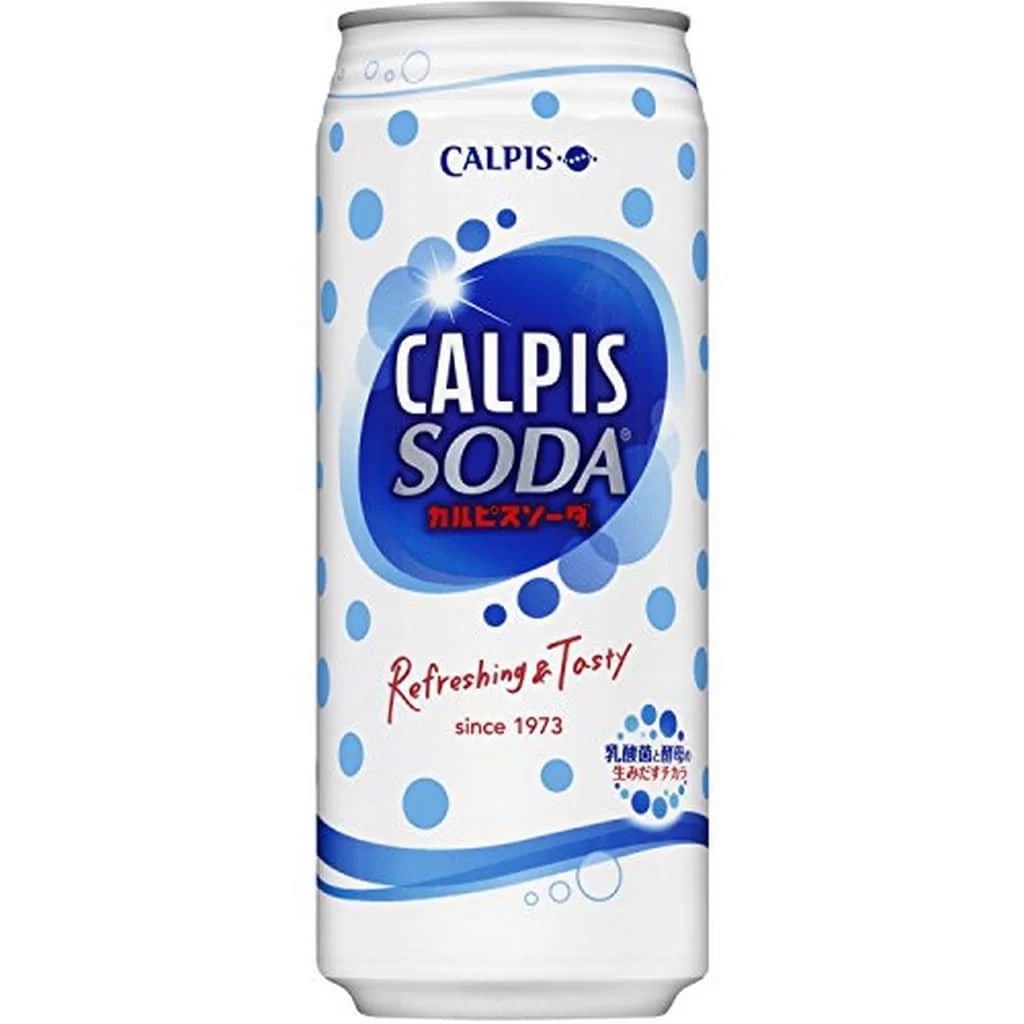
50 ml Calpis soda (also available as concentrate!)
乾杯! (Kanpai!)

The Internal Alembic Still

A closer look at a primitive process.

Home distilling in Southeast Asia

Recall that the alembic still has three basic components: the retort, the condenser, and the receiver. The alchemists of old constructed finely crafted clay and glass instruments for their distillations. But their secret processes would inevitably become known, and attempts to duplicate them with household utensils would be many.

In Asian cooking, large pots and deep woks are common. As it happens, their size and shape make them ideal for constructing what is called an “internal alembic” still. In this configuration, the mash or wine is put into the large pot, which is heated and becomes the retort. For the receiver, a small wok is placed on a pedestal, centered inside the pot. A condenser is constructed from a wok large enough to span the top opening of the pot. Cold water is circulated through the condenser wok, and vapours from the heated wine or mash condense on its cold bottom surface. As this liquid accumulates, it drips off the surface and down into the receiving lower wok.

A look through many a modern kitchen, and some not so modern, will often find the basic materials for constructing a modest internal alembic. Soup pots of four to six liters make a retort. Stainless steel bowls of various sizes are commonly available at superstores. A tall stemmed glass makes a good pedestal. The trick is to assemble the parts, charge the still, heat on a stove, and with a few tweaks and techniques, harvest the liquor. The other trick being, of course, to make sure you live in a country where home distilling is legal!

The Basics of Distillation

Introduction to an ancient art.

An alembic (from Arabic: الإنبيق, romanized: al-inbīq, 

Distillation is a process of separating and concentrating the components of a liquid mixture. The basic procedure has been practised since the time of the Sumerians of ancient Mesopotamia. As these were the people who also invented beer, it should be no surprise that they also figured out how to make beer even stronger!

Distillation relies for its success on the fact that different compounds in a liquid mixture experience a “phase change” (turning from solid to liquid to vapour) at different temperatures. With a mixture consisting of water and alcohol-related compounds, separating these components can be accomplished in two ways: either freezing the water, or boiling the alcohol.

Freeze distillation, sometimes called “jacking,” relies on the fact that water freezes at a higher temperature than alcohol. While this seems simple enough, in practice it has two major drawbacks. First, it requires a temperature that is much lower than the freezing point of water (-20F or -28C) to get much of an alcohol concentration. This can’t be achieved with a home freezer. More importantly though, freezing and removing the water crystals serves to concentrate not only desirable ethanol, but also fermentation compounds such as methanol, acetone, fusel oils, and other bi-products of yeast fermentation. Drinking a jacked beverage practically ensures a raging hangover as a result.

Heat distillation, in contrast, relies on the fact that the various fermentation components evaporate at a lower temperature than water. It’s also a feasible process for those who live in areas where there are never sub-zero ambient temperatures! In this procedure the liquid mixture is carefully heated in a vessel known as a retort, and the vapours rising from the liquid are directed into a condenser, and from there into a receiver.

To separate the components of a fermentation, the ancients invented “alembic” or “pot-still” distillation, the type of process used to make flavourful spirits from dark sugar solutions, wine, or beer from malted grains. These precursors tend to be low in alcohol, about the same as regular beer or wine (5 to 15 percent alcohol by volume or ABV.) They are first run through the still and all the output is collected in what is called the “stripping run.” This concentrates the ABV to about 30 to 40 percent.

A second “spirit run” concentrates the alcohol further. These various components, or “cuts” are collected separately, and then blended selectively at the distiller’s discretion. As the temperature of the liquid rises, successive compounds begin to evaporate, depending on their boiling point. The first to evaporate, called “foreshots,” are compounds such as acetaldehyde, ethyl acetate, and methyl alcohol. These are not pleasant tasting, and are even poisonous. They are usually discarded.

As the temperature continues to rise, various esters begin to evaporate in a distillation component known as the “heads.” As these tend to be fruity in taste and aroma, they can enhance the flavour of the eventual product, when used judiciously. Knowing how much heads to retain is one of the arts practised by the accomplished distiller.

At about 78C (173F) ethanol, along with some flavour compounds, begins to evaporate into the condenser. This component, known as the “hearts,” becomes the major constituent of the eventual product.

Alemic stills for making Mezcal in Oaxaca, Mexico. Look for "Destillado en Ollas" on the label.
Clay alembic stills for making Mezcal in Oaxaca, Mexico. Look for “Destilado en Ollas” on the label. Source: “Mezcal El Cortador”

Finally, the liquid begins to evaporate its “tails.” Consisting of higher alcohols such as isoaminol and isobutanol, these compounds also carry tastes and aromas we associate with brandy, whisky, and rum distillates. Again, knowing how much of the tails to retain to create complexity and interest in the final product is an art gained by the distiller through experience and sensory awareness.

To make a very pure alcohol such as vodka, a process known as “fractional distillation” is employed. Also called “rectification,” it is used when the liquid components have boiling points that are very close together, such as those in a white sugar wash. The vapours are directed into a tall column where they successively condense, descend, and evaporate again as they rise multiple times, until only a very pure ethanol emerges to be directed into the condenser. In alembic distillation, the distillate must be processed several times to concentrate and purify the product. With fractional distillation the product is purified with only one run through the still.