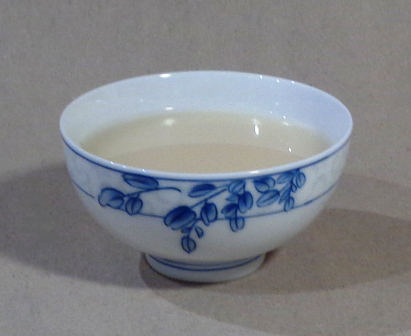
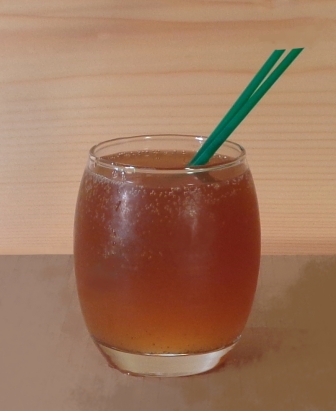
 You don’t light the fuse of this bomb. You suck the explosive contents through dual intake ports. Kratom leaves have a unique dual personality. If they are ingested in small quantities, they are a stimulant. If they are taken in large quantities they are a depressant. Different strains have various combinations of stimulation/sedation properties, making them useful in a wide range of applications from relieving anxiety and stress to reducing the pain of chronic infirmities such as arthritis.
Kratom is the fresh or dried leaves of a tree in the coffee family (Mitragyna speciosa) that grows all over Southeast Asia, most notably in Thailand where it is illegal despite being widespread in the wild. Kratom use is also prohibited in Malaysia. Kratom is legal to possess in almost every other area of the world. The leaves are typically eaten fresh where the plant grows wild. They can also be dried and brewed into tea by simmering them in boiling water. Leaf powder can be consumed in capsule form, or washed down with fruit juice.
Kratom Bomb uses stimulating Maeng Da leaves from Thailand, mixed in equal proportion with the more mellow Kratom from Indonesia. The syrup base for Kratom Bomb starts with coconut water sweetened with coconut and raw cane sugars. Spiciness is provided by adding fresh grated galangal and turmeric roots. Makrut lime leaf adds subtle aroma. Goji berries contribute a fruity background, and lime zest and juice provide a tangy finish. The drink is notably stimulating, and imbibers should indulge cautiously until they have established its specific effects for themselves.