Malta Macho

MaltaPW
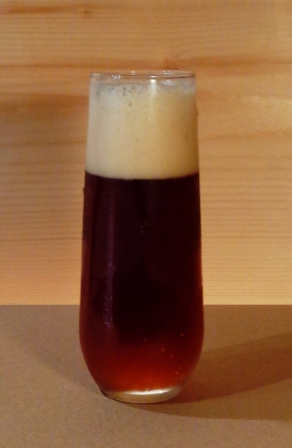
Malt-flavored soft drinks are popular in Latin America, where they go by the name Malta. The drink originated in Germany, where it was called malzbier. In that early version, the beverage was fermented to less than 2% ABV, then bottled and pasteurized, leaving considerable residual sugar. Modern commercial versions use corn syrup, malt extract and artificial carbonation.

This recipe calls for an all-malt approach with no fermentation, and adds a bit of herb tea to expand the flavor sensation. Easy to make, it is prepared as fully non-alcoholic syrup, and carbonated with club soda. The recipe is inexact with regard to herbs, so experiment with proportions to suit your taste.
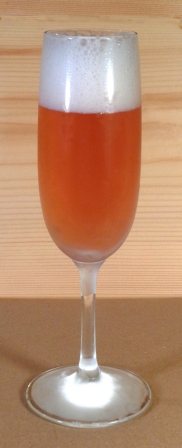
The accompanying photo shows a malta made with two grams of whole Fuggle hops for every four liters of beverage. They have not been boiled with the malt, and so the flavor and aroma are prominent, but the bitterness is quite mild. The sweetness is there, but is subtly balanced by the hop addition.

To create a drink with even more complex flavor, with considerably more effort you can try an all-grain version. Mash base and specialty grains as you would for beer, collecting about 1.5 liters of liquid.

Heat water to 70 C, add cracked caramel malts in grain bag, steep 30 minutes and remove. Drain liquid from grains and add water to bring back to 1.2 L. Heat water to 100 C, remove from heat. Stir in malt extract and herbs. Cool one hour. Dispense 150 ml into each of eight 500 ml swing-top bottles.

Freeze syrup in bottles, top up with soda water, store in refrigerator. When the frozen syrup has thawed, gently agitate the bottles to suspend the ingredients. After 24 hours any grain flour or trub will again sink to the bottom, leaving the flavor and color components suspended. The liquid can be decanted off the sediment to serve a more clear drink.

Agua Fresca Flor de Jamaica

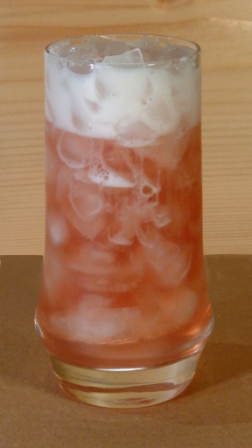
JamaicaPWAguas frescas (“fresh waters”) are popular soft drinks sold primarily by street vendors in Latin American countries. They can also be found in taquerias and bodegas (convenience stores) throughout the region, and into North America. They are made with a variety of fruit, sugar, and water. The most common flavors are horchata (almond), tamarind and roselle (hibiscus), which in Spanish is known as Jamaica (pronounced ha-MAY-ka.)

Put allspice, ginger, zest and cinnamon in 2 liters of water; add the sugar and bring just to a boil, stirring to dissolve the sugar. Remove from heat. Add the roselle and allow the mixture to steep covered for 20 minutes. Strain the syrup into a storage jar and add the lime juice. Store this in the refrigerator for up to three weeks. To serve, fill a glass with crushed ice, add the syrup to half fill the glass and top up with club soda.

Agua de Jamaica is the classic version of an agua fresca, and certainly the easiest to make. The roselle is high in Vitamin C, and is tangy yet floral in character, almost like a berry or grape drink. The spices are subtle, and create background complexity. It can be prepared as a still beverage, or, as in this example, topped up with club soda to create a sparking (gaseosa) version. Refrescante y delicioso!

Inti Inca Energy Drink

IntiIncaW1Energy beverages have a long history in the soft drink industry, despite their recent incarnation as the drink of choice among the young, the urban, the hip. Coca Cola is the most obvious example, as its original formulation contained both coca leaves and kola nuts, sources of the stimulants cocaine and caffeine.

Perhaps if you are an Incan descendent living in Peru, you might still be able to make an energy drink from coca leaves. For the rest of us, there’s always yerba maté, the national drink of several South American countries.

Yerba maté itself is a deeply entrenched cultural phenomenon in much of South America, where it is consumed both privately and socially in a way similar to that of coffee in North America. Like coffee, it contains both caffeine and antioxidants, giving it a reputation as both a natural stimulant and an herbal medicine. Guarana is another traditional South American beverage ingredient. With about twice the caffeine as an equivalent amount of coffee, guarana seed powder is often found in popular soft drinks in the region.

Both yerba maté and guarana are, however, fairly bitter in taste. To increase their palatability in a drink containing enough of them to have a significant stimulating effect, they are often mixed with sugar and other spices. Inti Inca Energy Drink adds Inca and Maqui berries, lemon juice and zest together with a bit of chai spice to round out its complex flavor.

Inti the Inca Sun God

Inti the Inca Sun God

It will not give you the jolt of commercial high-strength energy drinks, which compete on how much caffeine they can put in a serving. If you want that, you could use Inti Inca to wash down a couple of No-Doz tablets. But as the days grow longer, and Inti the Inca sun god rises earlier, this drink will get you through the day and well into the planting season with plenty of energy to spare.

Pomelona: A Watermelon-Pomegranate Mashup

Pomamelon1wThis sparkling beverage is the result of a pure brainstorming effort to come up with speculative ingredient pairings based on flavor, color and aroma. It is interestingly unusual, and not what one would normally associate with the term “soda pop.”

Obtain a seedless watermelon about six or seven inches in diameter. These mini-melons are grown in Mexico and typically available all year round. If you wish to get experimentally adventurous, try any type of well-ripened sweet melon seasonally available. Honeydew or Crenshaw would be excellent choices.

“Pomegranate” derives from the Latin words for “seeded apple.” Native to Persia, these are now widely cultivated in Mediterranean climates around the world. Pomegranate juice is usually somewhat sweet, though this is balanced with the acidic tannins found in it. The bar-syrup Grenadine was originally concocted of pomegranate juice and sugar, although now most commercial products consist of corn syrup and artificial flavor and color.

Maqui Berries

Maqui Berries

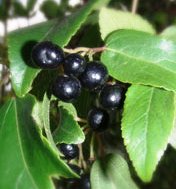
Maqui, AKA Chilean wineberry has a flavor similar to blackberries. The berries are only sparsely cultivated, and most of the commercial crop is gathered by Mapuche families from the wilds near the Andes Mountains. These people sometimes use maqui berries as an ingredient in their fermented chicha, where it was purported to give strength to their warriors. As a health food they are valued for their antioxidant content.

OFL

Orange flower water is a distillation of the blossoms of the bitter orange tree, and is an intensely perfumed ingredient in many Middle Eastern dishes, particularly sweets. It’s also added to plain drinking water to liven up the taste and aroma. Here, its aroma mingles with that of the melon, creating an intriguing combination.

RoselleW

Roselle is more commonly known as “hibiscus flower” though the herb is actually the calyx of the plant. It has one of the highest levels of antioxidants found among widely available foods.

Pomelona watermelon pomegranate soda is a full-flavored refreshing drink that will pair well with spicy Mediterranean or Middle Eastern dishes.

Tamarango: Tamarind Mango Soda

TamarangoW1
In addition to the creative factor in selecting beverage ingredients for their flavor balance, it’s interesting to add an overall theme to the selection process. The following recipes establish a thematic spectrum that develops the “idea” or state of mind that the beverage expresses. Tamarango suggests a trip to the Tropics, where all of its ingredients are well-established culinary items.

The tamarind fruit is a common beverage ingredient there. It is actually a legume, not a berry. Tamarind trees originated in North Africa, but because of their value as food and a provider of building materials, cultivation has spread throughout the tropical regions. South Asia and Mexico are the two areas where tamarind is most popular as a food item; there it provides a sweet but tangy contribution to sauces, curries and beverages. It also forms an important part of the flavor of Worcestershire and steak sauces said to have originated in India.

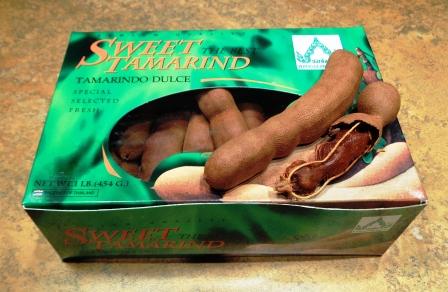
The pulp inside the tamarind fruit is the edible part, but most types are very sour. A variety of tamarind has been developed in Thailand, however, that is quite sweet, and used for snacking right out of the pod. It is this variety that goes into Tamarango.
Sweet tamarind
Mango provides the second most prominent flavor component in the beverage. Indeed, it can be found sold as dried slices mixed with tamarind paste and dusted with sugar to make a sweet and sour confection.

The mango puree in this recipe is from the Ataulfo variety discovered in the Chiapas state of southern Mexico. They are seasonally available in Western supermarkets, and can be identified by their moderate size, lozenge shape and golden-yellow skin. While any well-ripened variety will work, this one is known for its exceptional sweetness (15-18 percent sugar), and lack of fibrous interior. Ataulfo mangoes are also quite aromatic. The larger Sindhi mango would be another excellent choice.

Galangal is a spicier relative of ginger, featured in many examples of Thai and Indian cooking. Galangal and lime juice tonic is well known in parts of Southeast Asia.
The wild herb epazote is a nod to the popularity of tamarind in Mexico. This weed is quite common throughout Mexico and the American Southwest, and adds a peppery, minty flavor to Tamarango.

Clockwise from top left: Tulsi Krishna, Tulsi Rama, Epazote

Clockwise from top left: Tulsi Krishna, Tulsi Rama, Epazote


Tulsi, sometimes known as Holy Basil, is a plant held sacred in Hinduism. It is known in Auvedic medicine for its ability to protect against the effects of stress on the body. The recipe calls for two varieties of tulsi, purple-leafed Krishna, with a peppery crisp taste, and Rama, with a mellower, minty flavor.

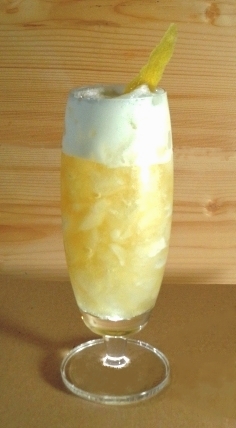
Top it off with a twist of lemon peel. Fantastic.

Apple Pie Sweet-Sour Soda

ApplePie2w1
Jolly Rancher candy inspires this drink. Founded in 1949, Jolly Rancher was a Colorado company that sold ice cream, candies and sodas in its shops around Denver and Golden. Their sour apple hard candy is something of a benchmark in early 1950s extreme flavor experimentation. The Jolly Rancher brand ended up in the hands of Hershey, but the flavor of their sour apples lingers on. Sweet and sour can do an intriguing balancing act on the palate.
Apple pie is another sweet-sour flavor standard. This Apple Pie Soda takes the sharp tang of the best tart pie apples, Granny Smith, and adds a crusty spiciness to make a smooth mellow drink. The Granny Smith apples are left to sweat a good month or more after their purchase, to develop umami flavor through ripening and partial fermentation. When they are ready they will start to turn slightly yellow and yield easily to a thumb pushing down on their surface.
Grind the apples to a pulp in a food mill or processor, put the pulp in a fruit press bag and squeeze out all the juice. Heat this with the honey to 75C (167F), add roots, herbs and spices. Cover cool and strain.

Use the frozen syrup method with club soda to bottle the drink, age refrigerated for two weeks, serve with a scoop of ice cream if you like pie a la mode!