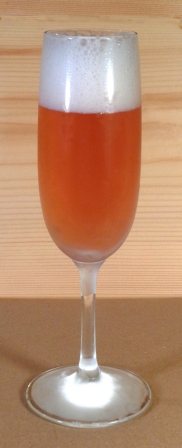
Cherry Apple Sky Cyser

cherry apple skyW1When it comes to creating full-spectrum recipes, it’s important to be open to inspiration at all times, during the random events of life. For example: you are in a nice grocery store and see a bag of dried Montmorency cherries. Perhaps you’ve never heard of them, and have no idea what to do with them. Grab a bag anyway, buy them and put them away for later.

Then, say you are driving through spring orchard country just before sunset. Rolling hills, air fragrant with blossoms, and the words “cherry apple sky” pop into your head. What does that mean? You have no idea. Don’t dismiss it; put it away for later.

When later comes, and you’re casting about for something creative to do, perhaps some leisurely Sunday, you look about for what’s on hand: some Winter Banana apples you bought because you were intrigued by their name; some farm-stand apple juice you bought for later; the bag of Montmorency cherries; a jug of honey.

Suddenly you remember “cherry apple sky” and you know what it means.

Cyser is a hard apple cider that is made with honey. It is among the many different varients in the mead family. Apples originated in Central Asia, from where the spread to Mesopotamia, Persia, Greece and the Roman Empire.

Now, apples may taste sweet but they are comparatively low in sugar, making the juice by itself capable of producing a fermented beverage of about five percent alcohol. While sugar was known to the ancient Greeks and Romans, it was exotic and scarce. Fortifying apple juice with it would have been prohibitively expensive. Adding honey then, to the natural juice of apples to boost the alcoholic strength of a fermented beverage, must have been an inevitable choice.

The term “cyser” is derived from cicera, which was used as a way of spelling in Latin the Hebrew word for “strong drink,” shēkār, in the Old Testament. It was only after the early 12th Century that sugar replaced honey in Europe, which up until then had been the only available sweetener. Thus, if you had plenty of apples, and you wanted a strong drink in Classical times, you made a cyser.

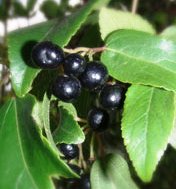
The Montmorency is a sour cherry (Prunus cerasus L), most often used in making cherry pies, but also available as a healthy snack in dried form. Though they are called “sour” they are actually quite sweet, but with a serious tang to them that balances the sweetness. In this respect they are similar to the varieties of crab apples that are grown for eating.

They have strong anti-oxidant properties, containing flavonoids which inhibit cancers by scavanging reactive oxygen ions from the body. Their red pigment adds to the color of the cyser, giving it hints of a rosé wine.

This cyser certainly lives up to that expectation, with a starting gravity like a good wine. It has a beautiful rosy orange color like a mountain sunset, and a nice aroma that suggests pineapple and a flavor just hinting of the mildest mint. Because the tartness of the cherries comes from their considerable acid content, it can be sweetened to taste before bottling. It will continue to improve for many years.

Inti Inca Energy Drink

IntiIncaW1Energy beverages have a long history in the soft drink industry, despite their recent incarnation as the drink of choice among the young, the urban, the hip. Coca Cola is the most obvious example, as its original formulation contained both coca leaves and kola nuts, sources of the stimulants cocaine and caffeine.

Perhaps if you are an Incan descendent living in Peru, you might still be able to make an energy drink from coca leaves. For the rest of us, there’s always yerba maté, the national drink of several South American countries.

Yerba maté itself is a deeply entrenched cultural phenomenon in much of South America, where it is consumed both privately and socially in a way similar to that of coffee in North America. Like coffee, it contains both caffeine and antioxidants, giving it a reputation as both a natural stimulant and an herbal medicine. Guarana is another traditional South American beverage ingredient. With about twice the caffeine as an equivalent amount of coffee, guarana seed powder is often found in popular soft drinks in the region.

Both yerba maté and guarana are, however, fairly bitter in taste. To increase their palatability in a drink containing enough of them to have a significant stimulating effect, they are often mixed with sugar and other spices. Inti Inca Energy Drink adds Inca and Maqui berries, lemon juice and zest together with a bit of chai spice to round out its complex flavor.

Inti the Inca Sun God

Inti the Inca Sun God

It will not give you the jolt of commercial high-strength energy drinks, which compete on how much caffeine they can put in a serving. If you want that, you could use Inti Inca to wash down a couple of No-Doz tablets. But as the days grow longer, and Inti the Inca sun god rises earlier, this drink will get you through the day and well into the planting season with plenty of energy to spare.

Pomelona: A Watermelon-Pomegranate Mashup

Pomamelon1wThis sparkling beverage is the result of a pure brainstorming effort to come up with speculative ingredient pairings based on flavor, color and aroma. It is interestingly unusual, and not what one would normally associate with the term “soda pop.”

Obtain a seedless watermelon about six or seven inches in diameter. These mini-melons are grown in Mexico and typically available all year round. If you wish to get experimentally adventurous, try any type of well-ripened sweet melon seasonally available. Honeydew or Crenshaw would be excellent choices.

“Pomegranate” derives from the Latin words for “seeded apple.” Native to Persia, these are now widely cultivated in Mediterranean climates around the world. Pomegranate juice is usually somewhat sweet, though this is balanced with the acidic tannins found in it. The bar-syrup Grenadine was originally concocted of pomegranate juice and sugar, although now most commercial products consist of corn syrup and artificial flavor and color.

Maqui Berries

Maqui Berries

Maqui, AKA Chilean wineberry has a flavor similar to blackberries. The berries are only sparsely cultivated, and most of the commercial crop is gathered by Mapuche families from the wilds near the Andes Mountains. These people sometimes use maqui berries as an ingredient in their fermented chicha, where it was purported to give strength to their warriors. As a health food they are valued for their antioxidant content.

OFL

Orange flower water is a distillation of the blossoms of the bitter orange tree, and is an intensely perfumed ingredient in many Middle Eastern dishes, particularly sweets. It’s also added to plain drinking water to liven up the taste and aroma. Here, its aroma mingles with that of the melon, creating an intriguing combination.

RoselleW

Roselle is more commonly known as “hibiscus flower” though the herb is actually the calyx of the plant. It has one of the highest levels of antioxidants found among widely available foods.

Pomelona watermelon pomegranate soda is a full-flavored refreshing drink that will pair well with spicy Mediterranean or Middle Eastern dishes.

Peach Melba Melomel

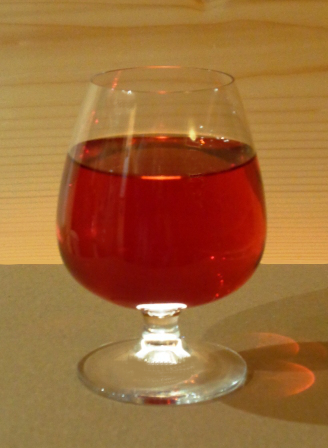
PMelbaW1Nellie Melba was one of the most famous opera singers of the Victorian Age. Such a colossal superstar was she that the esteemed chef Escoffier created for her a delectable dessert, Peach Melba, which he presented to the attendees of the Duke of Orléans’ grande fête for her on the back of a swan ice sculpture.

Peach Melba combines two flavors that are made for each other: peaches of course, and raspberry puree. Put these on vanilla ice cream, top with spun sugar, and you are in bliss of operatic dimension.

Peach Melba easily suggests itself to interpretation as a melomel, that is, mead flavored with fruit. It should certainly hint of sweetness, as Nellie Melba’s voice did, but not cloyingly, rather, surprisingly strong and clear.

As raspberries are intensely fragrant, they will dominate the nose of such a melomel, but will not overpower the taste of the peaches. The flavor of the honey should be something of an embellishment, as was the spun sugar atop Nellie’s dessert.

To this end choose a lighter honey, which can reliably be found among the selection of wildflower-based products from the Pacific Northwest. This example uses premium fireweed honey from western Canada, which had a lovely amber color and mildly caramel flavor.

The mead is lightly sweetened with wine conditioner to an off-dry state, leaving some tartness on the tongue, but with the very smooth finish created with three years of bulk aging. You can be sure this is going to come out for a spring celebration on the Vernal Equinox!

Tamarango: Tamarind Mango Soda

TamarangoW1
In addition to the creative factor in selecting beverage ingredients for their flavor balance, it’s interesting to add an overall theme to the selection process. The following recipes establish a thematic spectrum that develops the “idea” or state of mind that the beverage expresses. Tamarango suggests a trip to the Tropics, where all of its ingredients are well-established culinary items.

The tamarind fruit is a common beverage ingredient there. It is actually a legume, not a berry. Tamarind trees originated in North Africa, but because of their value as food and a provider of building materials, cultivation has spread throughout the tropical regions. South Asia and Mexico are the two areas where tamarind is most popular as a food item; there it provides a sweet but tangy contribution to sauces, curries and beverages. It also forms an important part of the flavor of Worcestershire and steak sauces said to have originated in India.

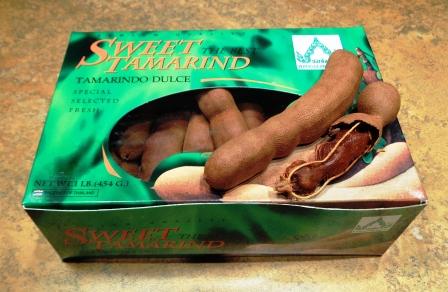
The pulp inside the tamarind fruit is the edible part, but most types are very sour. A variety of tamarind has been developed in Thailand, however, that is quite sweet, and used for snacking right out of the pod. It is this variety that goes into Tamarango.
Sweet tamarind
Mango provides the second most prominent flavor component in the beverage. Indeed, it can be found sold as dried slices mixed with tamarind paste and dusted with sugar to make a sweet and sour confection.

The mango puree in this recipe is from the Ataulfo variety discovered in the Chiapas state of southern Mexico. They are seasonally available in Western supermarkets, and can be identified by their moderate size, lozenge shape and golden-yellow skin. While any well-ripened variety will work, this one is known for its exceptional sweetness (15-18 percent sugar), and lack of fibrous interior. Ataulfo mangoes are also quite aromatic. The larger Sindhi mango would be another excellent choice.

Galangal is a spicier relative of ginger, featured in many examples of Thai and Indian cooking. Galangal and lime juice tonic is well known in parts of Southeast Asia.
The wild herb epazote is a nod to the popularity of tamarind in Mexico. This weed is quite common throughout Mexico and the American Southwest, and adds a peppery, minty flavor to Tamarango.

Clockwise from top left: Tulsi Krishna, Tulsi Rama, Epazote

Clockwise from top left: Tulsi Krishna, Tulsi Rama, Epazote


Tulsi, sometimes known as Holy Basil, is a plant held sacred in Hinduism. It is known in Auvedic medicine for its ability to protect against the effects of stress on the body. The recipe calls for two varieties of tulsi, purple-leafed Krishna, with a peppery crisp taste, and Rama, with a mellower, minty flavor.

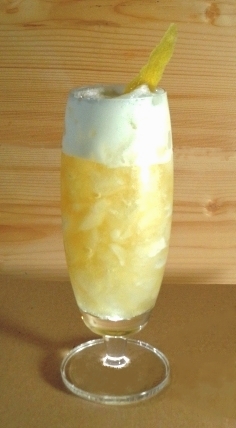
Top it off with a twist of lemon peel. Fantastic.

Apple Pie Sweet-Sour Soda

ApplePie2w1
Jolly Rancher candy inspires this drink. Founded in 1949, Jolly Rancher was a Colorado company that sold ice cream, candies and sodas in its shops around Denver and Golden. Their sour apple hard candy is something of a benchmark in early 1950s extreme flavor experimentation. The Jolly Rancher brand ended up in the hands of Hershey, but the flavor of their sour apples lingers on. Sweet and sour can do an intriguing balancing act on the palate.
Apple pie is another sweet-sour flavor standard. This Apple Pie Soda takes the sharp tang of the best tart pie apples, Granny Smith, and adds a crusty spiciness to make a smooth mellow drink. The Granny Smith apples are left to sweat a good month or more after their purchase, to develop umami flavor through ripening and partial fermentation. When they are ready they will start to turn slightly yellow and yield easily to a thumb pushing down on their surface.
Grind the apples to a pulp in a food mill or processor, put the pulp in a fruit press bag and squeeze out all the juice. Heat this with the honey to 75C (167F), add roots, herbs and spices. Cover cool and strain.

Use the frozen syrup method with club soda to bottle the drink, age refrigerated for two weeks, serve with a scoop of ice cream if you like pie a la mode!

True Root Beer

RootbeerW

Eight roots, two barks, one leaf, and one seed pod make this one true root beer. Start with a root tea, sweeten and carbonate it, it’s as easy as that. True root beer has been around for millennia, but gathering roots and berries is too time consuming for the commercial producer–hence the renaissance of artificial flavor and color.

True root beer flavor can be tweaked to an infinity of preferences. Large portions of sarsaparilla and birch bark make a classic base. To this you add sassafras and wintergreen to establish the distinctive high notes. In between can be as many interesting and subtle flavor layers as you like.

The results will resemble the pop-shop stuff you remember. But as with crafted versus commercial beer, the flavor will surprise you with its complexity. It has been rumored to transport maidens into sublime repose.
hires-root-beer2
There are two parts to the root beer tea brewing process. First, simmer the roots and bark for 20 minutes and remove them from heat. Then steep the herbs for another 20 minutes. Strain the decoction/infusion into a pot, then add sugar. Heat the syrup to 70C, add vanilla pod, cool to room temperature, and freeze 150 ml in each 500 ml bottle. Top up with club soda.

Traditional home made root beer relies on baker’s yeast, with its low alcohol tolerance, to create the carbonation and umami taste of classic examples without fermenting out all the sweetness. It is true that yeast in the beverage provides a real roundness and fullness.

The problem with this method is that the carbonation results are very unpredictable. Gushing out of the bottle is almost inevitable, as baker’s yeast continues to slowly ferment over time, even under refrigeration. It does produce a great creamy root beer head though!

The club soda top-up method yields a mildly carbonated drink in the English style, with a minimal head. On the other hand, there’s no surprises when it’s time to crack open a bottle.

Blackberry Brojash

BlackberryWBrojash is an attempt to remember the seven ingredients of a full-spectrum soda: berry, root, oil, juice, acid, sugar, herb. Sometimes you just need an acronym. This soda brings the berry idea way forward, taking advantage of a sale on usually quite expensive blackberries.

The root in this case is the very mild astragalus, which provides a creamy, smooth background note. The oil comes from fermented cacao nibs, which offer a slight but noticeable chocolate cast, and Seville orange zest. The juice is also from Seville oranges, and it provides an acid tang. Raw cane sugar adds restrained sweetness and apple mint a diaphanous herbality.

Either fresh or frozen berries can be used, as the fresh ones are frozen anyway to help extract juice by breaking their cell walls. If they are fresh, they can be processed just before they start to turn overripe. They are pulped and strained to remove the seeds, and the pulp is macerated with the nibs, juice, and herb for 48 hours in the fridge. It’s heated to 65C and the sugar and astragalus are stirred in. The syrup is cooled and the soda is bottled with the frozen syrup method. Pour it over ice, stir it with a cinnamon stick, it’s a softly minty blackberry chocolate delight.

Junmai Jizake

SakeWThis is a sake made with only water, rice, koji, yeast, and lactobacillus culture. It is in a way a brew similar to beer produced under the strictures of Reinheitsgebot, the German purity law.

Traditionally, pure rice sake, Junmai-shu, has been made with rice that has had as much as half of its grain surface milled away. This process removes, in addition to the husk, much of the protein and fatty acids in the grain, which can contribute undesirable flavors to the finished beverage.

However, since about 2005 a specialty sake has emerged, known as Teiseihaku-shu. This style is made with rice that typically retains about 80% of its volume, producing a drink that presents more of the charateristic rice flavor. As the proportion of amino acids rises, the result is an increase in aminosan-do, the taste of umami or savoriness.

The example here is made from the short-grain rice variety Kokuho Rose, from California. This premium rice is mist-polished to remove bran dust, and is well-known for making excellent sushi. Steamed in the manner required for sake making, it comes out firm and tender without excessive stickiness. The addition of a lacto culture means that the brewer need not wait weeks for a natural souring process to take place in the moto starter, with the potential for infection by unwanted organisms.

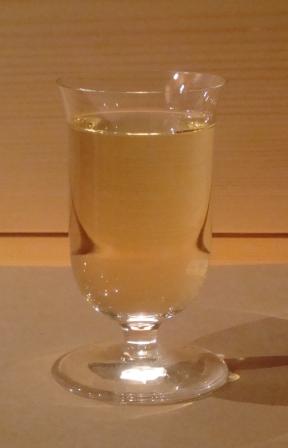
The photo here shows the sake in a clear state, but it is actually nigorizake, that is, unfiltered. The cloudy grain particles have settled to the bottom of the bottle, but can be shaken up into suspension to provide the additional flavor and characteristic look of the style. As the clear presentation shows, this sake is slightly golden in color, a result of it having been aged for two years at cellar temperature.

Finally, this is a Jizake, or microbrewed sake. Obviously, because there are only six bottles in existence, it is among the most micro of the microbrews. Warning though, homebrewing sake is illegal in Japan, so if you’re there, take advantage of your proximity to those out-in-the-boonies sake microbreweries instead.

Gnomen von Zürich Starkbier

ZurichLagerWFor all the perception that “Zürich Lager” is something special to experience, it seems that most reviews of Swiss beer, at least those that refer to pale lager, report finding nothing special. From Lowenbrau Zürich, Quollfrisch Hell, Feldschlösschen, Calanda, Schützengarten, to probably a dozen more, the reviews go from “Swiss Bud Lite” to “nothing spectacular.”

I’ve only been to Switzerland once, and that was to Geneva, which, while beautiful, has a pretty nondescript beer scene. So what’s the deal with the legendary Zürich lager? Apparantly it all comes down to Hürlimann Samichlaus, a rare Christmas beer whose Swiss manufacture ceased in 1996. The gnomes of Zürich managed to cram an entire six-pack of flavor into a 335ml bottle, and at 14% ABV, there are still some cellared examples being consumed now and again to rave reviews. In 2000 the brand was revived by Austrian brewer Schloss Eggenberg.

Albert Hürlimann was a recognized expert in the scientific development of yeast, and his extremely alcohol-tolerant strain survives as White Labs WLP885. Equipped with a vial of this venerable strain, what is one to do who does not have the patience to wait three years for a lager to mature?

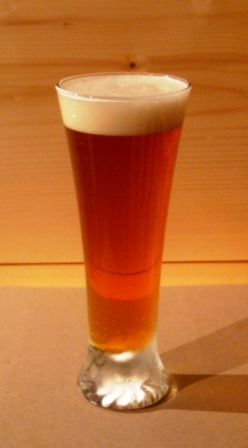
In this example, a brew of 16.5 degrees Plato starting gravity will turn out to be very drinkable in less than six months, finishing at 3 Plato with an ABV of about 7.2%. The beer starts with a hefty grain bill of lager malt, to which the brewer adds Munich, Vienna, Melanoidin and CaraPils specialty malts.

The Zürich lager yeast throws off a lot of phenolic flavor which comes through strongly in this beer, giving it a quality almost like a Belgian brew. It is a long, slow fermenter, and four to five months in the secondary is about the minimum necessary to bring the gravity down to a manageable level.

It is a very flavorful and full-bodied beer, and will improve with age for quite some time. I plan to keep a bottle at least another six months to see how it develops.