Tracing the Roots of California Craft

I was raised in the San Francisco Bay Area, about 5 miles from Stanford University campus in Palo Alto. At that time Stanford had an agreement with the city that there would be no bars or liquor stores within a certain distance from the campus. But this arrangement didn’t apply to the next town over, Menlo Park. So, very close to the campus, there were two beer and burger joints that were big hangouts.
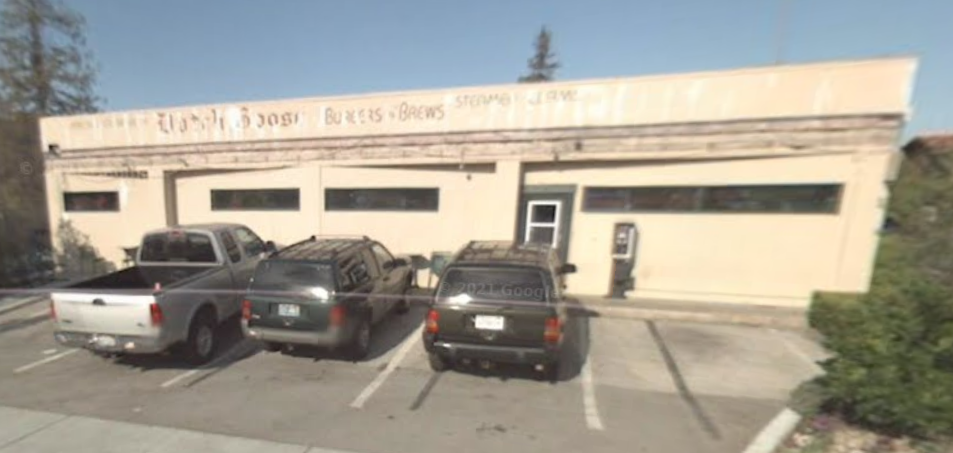
The Dutch Goose as it would have appeared to Fritz Maytag

These were The Dutch Goose, on Alameda de las Pulgas, and The Oasis on El Camino Real. Both of them served draft Anchor Steam Beer. (The Goose is still there, much gentrified, but The Oasis is sadly gone.)

The Oasis, shortly before it closed


In 1968 though, Anchor Steam was amazing. I soon discovered another place that served it in San Francisco: The Old Spaghetti Cafe and Excelsior Coffee House in North Beach. (The original, not the chain imitator.)


The “Spag Fac” was actually an old spaghetti factory filled with antiques. A full dinner could be had for $2.25. For this reason it had been a favorite hangout of hipsters and beatniks for years, and they poured Steam beer from Anchor’s ancient Golden Gate style kegs. I hung out there too, with a pint or two before a folk music show at Coffee and Confusion around the corner.

The Old Spaghetti Factory

I was hooked on good beer, but it was expensive. A bottle of Guiness could set you back more than fifty cents in 1973! At that time a half a buck could buy two gallons of gas!
So as a UCSB student with a taste for good beer and no money, I was intrigued when I discovered a Santa Barbara store called Wine Arts, and saw that they sold beer making supplies. The proprietor was very helpful, and sold me a book by home brewing pioneers Stanley Anderson and Raymond Hull. For ingredients I bought two cans of John Bull Extract, a pound of crystal malt, Fuggles hops, and Vierka Munich yeast. Following the instructions from the book, I ended up with a beer that tasted very much like Anchor Steam! This started my 50 year love affair with craft beer.
When I moved back to the Bay Area, I found that others shared my passion, and soon home brewing stores started to appear in towns like San Jose, Morgan Hill, Los Altos, and Palo Alto. There I found an Englishman’s guide to beer brewing to add to my library.

In liquor stores I started to see Anchor Steam in bottles. Brands like New Albion, DeBakker, Golden Bear, Palo Alto Brewing, and Pete’s appeared next to them not long after. Most of these are long gone, some due to undercapitalization, others due to mismanagement. Their proprietors were, after all, home brewers with little business operation experience. (It’s worth noting that home brewer Pete Slosberg chose to contract the brewing of his Wicked Ale out to August Schell Brewing in New Ulm, MN, making it widely available.)

The owner of the home brew supplies store in Chico, however, showed how it was properly done. Ken Grossman’s secret to success: learn how to do everything in an industry where there were limited supplies, equipment, and talent. Then work 12-hour days, seven days a week, for 20 years. Bring the kids to the brewery on Sundays to play among the piles of equipment and materials. Simple! Thus was born Sierra Nevada Pale Ale.

Fritz Maytag, meanwhile, was also showing the industry how it was done. As a Stanford student Fritz haunted The Oasis and Dutch Goose, where, despite its inconsistency he learned to love Anchor Steam Beer. When he heard the company was failing due to falling sales, he bought the place! As the story goes, Fritz was eager to update the Steam Beer recipe, and was visited first by a salesman offering him samples of a new type of crystal malt, and then by one who suggested Northern Brewer hops. He incorporated them both into his new recipe. With its success assured, Anchor Brewing moved to the former MJB coffee roastery, a wonderful Art Deco edifice in the Potrero District of San Francisco.
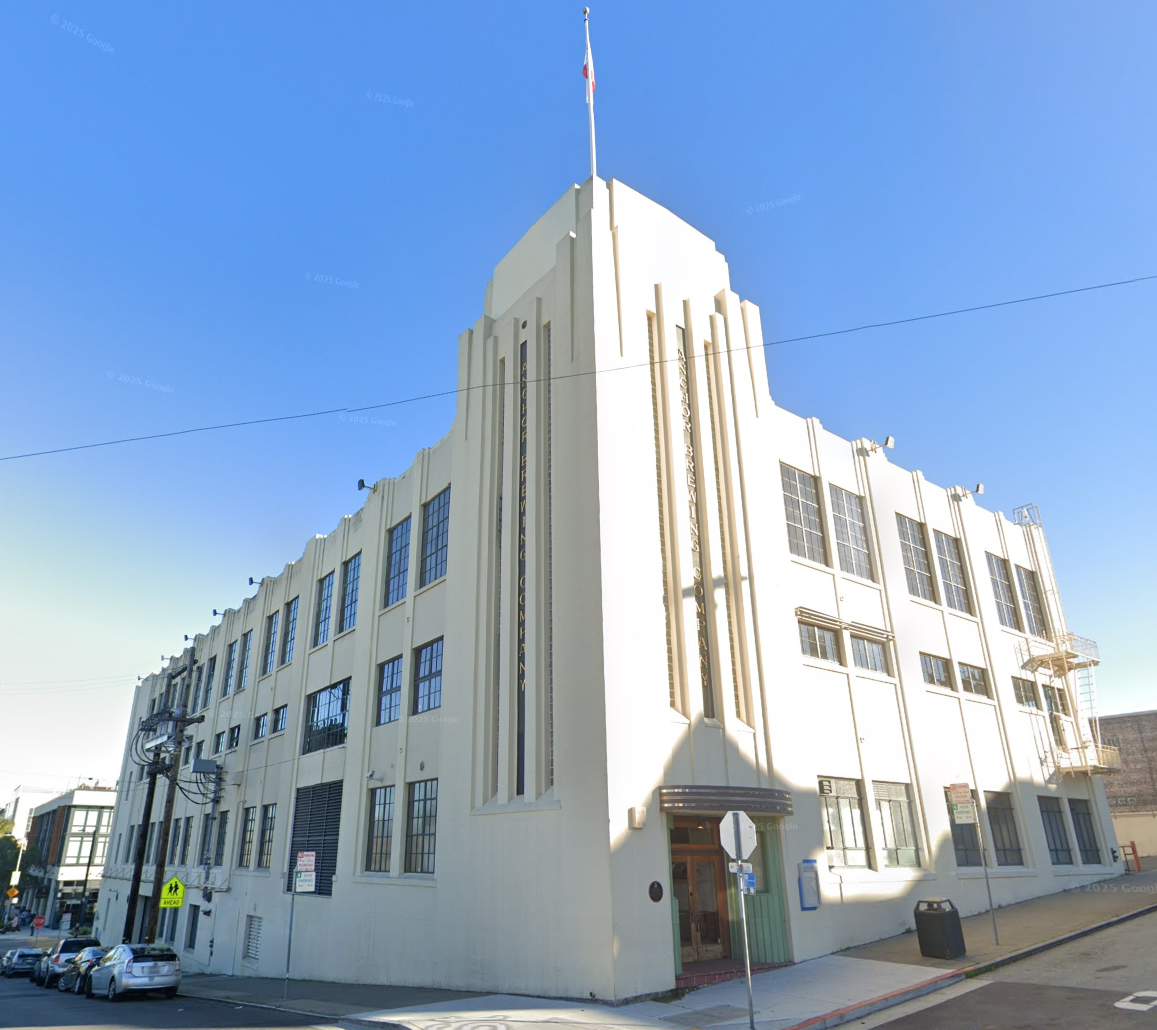
I visited the by-then well-established brewery in 1985. The place was a veritable museum of San Francisco brewing history. There was lots of Anchor breweriana, as well as signage and artifacts from SF breweries of the past. We didn’t get to meet Fritz, but we saw his lab, and it was clear from that how dedicated he was to maintaining the quality of his brew.
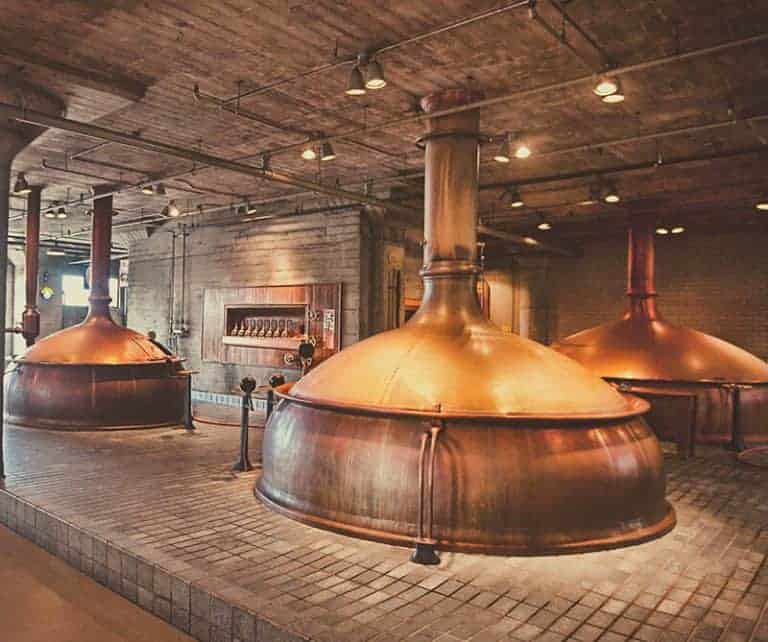
We saw the incredibly beautiful all-copper brewhouse he’d imported from Germany. We saw the antique bottling line, and the filling equipment for Anchor’s 1950s Golden Gate kegs.
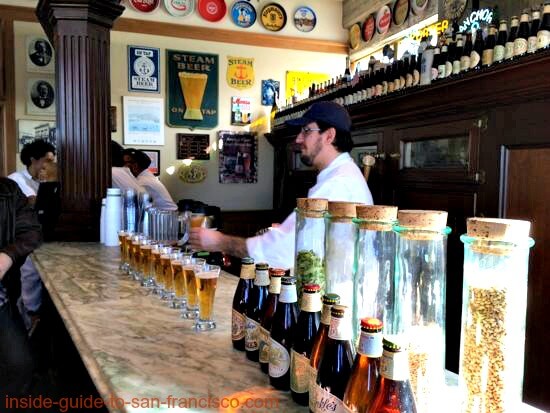
But the best part of the tour was Anchor’s tasting room, centered around an ancient bar from San Francisco’s Barbary Coast past. On this Winter Solstice afternoon in 1985 the sun poured through the clerestory windows behind the bar, and lit up the dark amber and ruby highlights of my glass of Old Foghorn barley wine. It was a moment I’ll never forget.

Epilogue: I recently had a chance to taste an Old Foghorn that had been cellared for 25 years. It was magnificent, a true testament to the meticulous care that Mr. Maytag applied to his brewing.
We compared it to a similarly aged pony bottle of Old Crustacean from Rogue Ales that had definitely seen better days. Thanks Fritz!
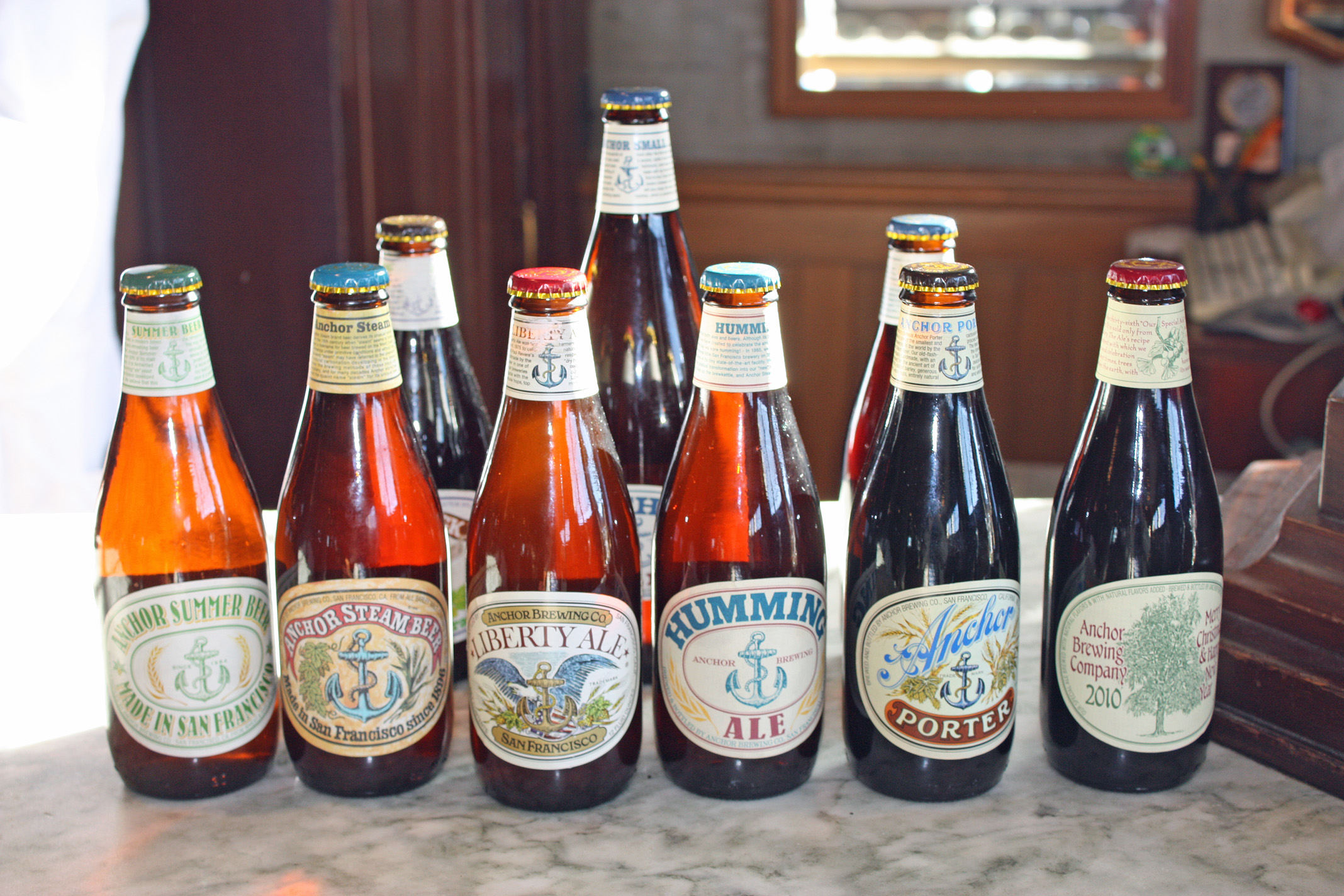
Update The Anchor Brewing Company, closed since 2023, has had it’s intellectual property, assets, brands and real estate purchased, and pending the resolution of some structural issues in the building is slated to reopen some time in the near future, hopefully before the end of 2025.
Buccoleon Strong Ale

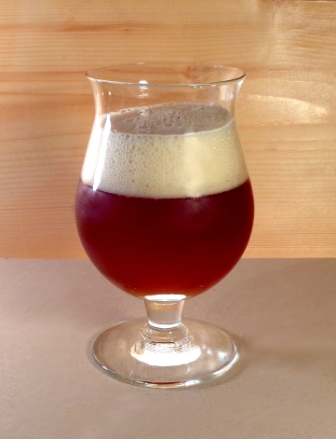
belgian-strongpcThis is a classic Belgian dark tripel. If you have tried Brouwerij Van Steenberge’s Gulden Draak, you know what I mean. Buccoleon Strong Ale is a tribute to that world-class beer.

Brewed with Belgian Strong Ale yeast, it offers flavors of raisins, plums and pears, together with spicy hints of cloves, rum, and nutmeg. Starting with a Pilsner malt base; wheat malt, cara-wheat, crystal malt, biscuit/aroma malts and caramely golden syrup provide a flaky crust for this virtual fruit tart. The yeast leaves its distinctiver mark.

As it is not a Gulden Draak clone, it is a bit drier and a little more bitter. Its original gravity of 24.5 Plato (1105) still leaves a lot of residual sweetness, so it is refermented in the bottle with Champagne yeast and no added bottling sugar. Age this one at least a year.

gent_belfort-draakc

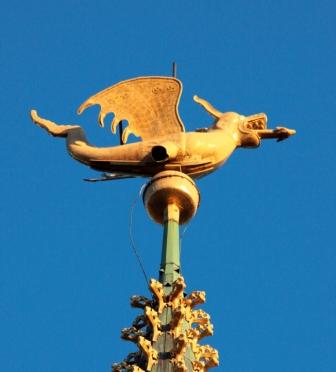
Gulden Draak is named after the golden dragon at the top of the belfry of Ghent. The story of how he got there is fascinating. Buccoleon was the dragon’s name. He lived in the swampy ground around Aleppo, one of the chief cities of the Saracens in northern Syria. He was such a tender-hearted old dragon that he was called The Weeping Dragon. He wept bucketfuls of tears when Belgian crusaders and the Saracens fell to fighting. Where his tears fell, beautiful flowers began to grow.

A crusader took their bulbs back to Belgium, where they became famous for being the most beautiful tulips of all. Hearing about their fame, Buccoleon, whose scales had turned to gold because the crusaders had left, flew to Belgium to see for himself. He decided to stay!

Rum Raisin Brown Stout

rum-raisin-brown-stoutpcThis is a beer that answers the question “What would it be like to brew up a batch of oatmeal raisin cookies?”

In the past, the term “stout” referred to a beer that was extra strong. Thus, we had Porter, and we had Stout Porter, which eventually became just Stout for short. Interestingly, what is now known as Stout is oftentimes rather low in alcoholic content while Porters tend to have an ABV of 5.5% to 6% or more. But historically, Stout was any beer that was as strong as the drinkers that were expected to consume it.

To make this brown stout, start with the ingredients for cookies: wheat malt, oats, sultana raisins. Add to this Maris Otter base malt, crystal malt, a touch of caramel rye malt, and some Cara Munich. Mash at a fairly high temperature to encourage the production of unfermentable sugars that will keep the brew more sweet and full-bodied. Magnum and Amarillo hops are assertive without being overpowering. Add golden syrup at the end of the boil to contribute more caramel flavors. Ferment with a fruity yeast such as London Ale. Soak sultanas in dark rum until they are soft, then whirl the mixture in a blender. Add some to the primary fermenter, and another batch to the secondary, along with a hint of vanilla extract.

The result is not so much a beer that tastes like oatmeal raisin cookies as it is an oatmeal raisin cookie that tastes like beer.

Corny Comet Cream Breakfast Ale

Corny CometCPC
A cream ale for breakfast. Not meant to replace your double espresso, but rather to stand beside it, bracing you for the day to come.

Cream ale emerged in the late 19th Century United States when ale breweries, faced with immigrant competition from Bavarian brewers bringing lager to the market, devised a light and refreshing, yet bold concoction that combined the crisp, dry flavor of a lager with the rapid fermentation characteristics of an ale. In many of these renditions, a substantial ABV approaching 5.5% was a feature.

This cream ale uses 22 IBU of Comet hops, a variety that tastes and smells remarkably like pink grapefruit. Breakfast cereal included: organic corn grits, and steel-cut oats, along with some nice caramel notes from a variety of crystal malts. Starting gravity is 15 Plato, boosted by a late addition of rice syrup solids. White Labs WLP080 Cream Ale yeast blend provides crisp yet round fermentation notes. Dry hopping with Comet offers grapefruit aroma.

This is a fruity breakfast drink; cream of corn grits with fruit and oats, delivered with the full mouthfeel of an ultimate smoothie.

Ebulus Cervisiam Delectamentum

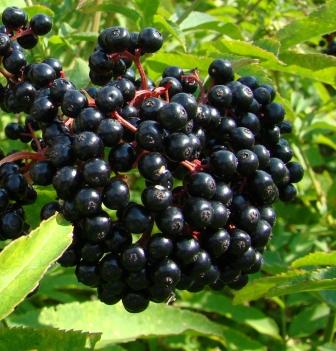
EbulumCDepending on where you live, it’s not to late to get out in the woods and gather some elderberries. They make a nice wine of course, but they also make a tart and fruity beer. An elderberry braggot (beer and mead hybrid) is also a tasty possibility. The berries are the fruit of Sambucus species. In Europe, they come most commonly from the Dwarf Elder (Sambucus ebulus.) This tree was known as the Ebull in ancient times, the term taken from its Latin name. The beer made from elderberries is called Ebulum, and appears as a recipe in books from the early 1700s. The Oxford Dictionary defines ebulum as a name for elderberry wine, but London & Country Brew III (1743) says “make a white Ebulum with pale Malt and white Elder-berries.” This was possibly a barley wine.

Elderberries have a long history of medicinal use, with a reputation for successfully treating colds and flu. For this purpose they are usually made into a syrup. The raw berries are somewhat toxic, and so they are cooked. Elderflowers also have medicinal and culinary uses, notably as a background flavoring for the cordial Sambuca.
Sambucus-berries

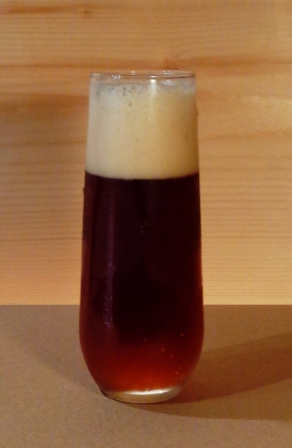
This Ebulum has a Chocolate Surprise. In addition to the pale malt (in this case Maris Otter) in traditional recipes, this one has chocolate malt, an English blend of crystal malts, and Dingeman’s debittered black malt. It is spiced with elderflowers, grains of paradise, and cinnamon, finished with Muscovado sugar at flameout. A touch of lactose added just before bottling creates a full mouthfeel and a bit of residual sweetness that balances the berries’ tartness.

Stripping two kilos of elderberries from their elaborate stems is tedious work. Drinking the results after a year of aging is a delectable reward.

Malta Macho

MaltaPW
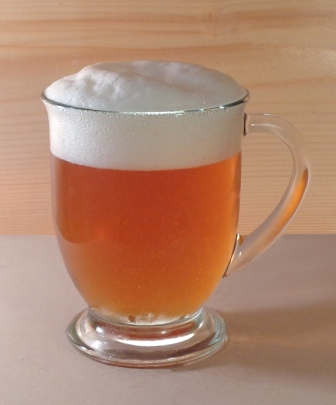
Malt-flavored soft drinks are popular in Latin America, where they go by the name Malta. The drink originated in Germany, where it was called malzbier. In that early version, the beverage was fermented to less than 2% ABV, then bottled and pasteurized, leaving considerable residual sugar. Modern commercial versions use corn syrup, malt extract and artificial carbonation.

This recipe calls for an all-malt approach with no fermentation, and adds a bit of herb tea to expand the flavor sensation. Easy to make, it is prepared as fully non-alcoholic syrup, and carbonated with club soda. The recipe is inexact with regard to herbs, so experiment with proportions to suit your taste.
The accompanying photo shows a malta made with two grams of whole Fuggle hops for every four liters of beverage. They have not been boiled with the malt, and so the flavor and aroma are prominent, but the bitterness is quite mild. The sweetness is there, but is subtly balanced by the hop addition.

To create a drink with even more complex flavor, with considerably more effort you can try an all-grain version. Mash base and specialty grains as you would for beer, collecting about 1.5 liters of liquid.

Heat water to 70 C, add cracked caramel malts in grain bag, steep 30 minutes and remove. Drain liquid from grains and add water to bring back to 1.2 L. Heat water to 100 C, remove from heat. Stir in malt extract and herbs. Cool one hour. Dispense 150 ml into each of eight 500 ml swing-top bottles.

Freeze syrup in bottles, top up with soda water, store in refrigerator. When the frozen syrup has thawed, gently agitate the bottles to suspend the ingredients. After 24 hours any grain flour or trub will again sink to the bottom, leaving the flavor and color components suspended. The liquid can be decanted off the sediment to serve a more clear drink.

Barrel Body Winter Warmer

WinterWarmerW
I’m not a big fan of winter. In late October, scraping enough frost off the windshield to make a frozen Daiquiri, I’m dreading the ice to come. White Christmas is great. January skiing is fun. But as a California guy, by February I’m ready to go on a picnic.

That said, one thing that sustains me through the frigid season is Winter Warmer. A roaring fire, a good book, and a righteous, spicy ale make all the difference when the wind blows cold, the snowflakes fly, and the nights are long.

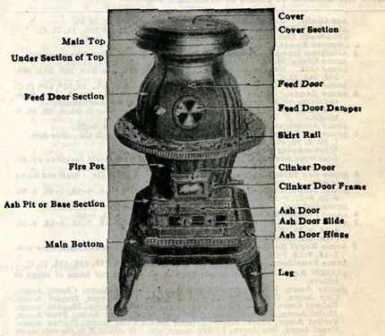
In the old days, folks could huddle around the barrel body of a pot-belly stove to keep warm. These days, even a gas log will do if there’s a fine winter warmer close at hand. Barrel Body Winter Warmer fills the bill.
potbelly-stove-sale

Barrel Body starts out as a pretty straightforward copper ale. A full grain bill augmented with lots of caramel and crystal malt is topped off with Melanoidin malt to boost the red color, and provide plenty of heavy mouthfeel. The recipe adds golden sugar and Belgian dark aromatic candi to raise the starting gravity and tweak the umami.

The baseline spiciness comes from cinnamon and nutmeg. To kick it up a notch, a hint of Voodoo Elixir in the secondary fermenter adds flavors of coffee, chicory, cubeb, gumbo, licorice, sassafras and sarsaparilla.

Safale US-05 ferments this one out full and dry. At about 7.9% ABV, Barrel Body Winter Warmer lives up to its name.

Scott’s Revenge BC Brown Ale

BCBrownW
British Columbian brewers have been trying hard to establish a unique style of beer, in the shadow, alas, of the huge brewing scenes of Washington and Oregon. Those two states, in turn, have led with their own brewing evolution, against the mega-hopped IPAs of Southern California.

The trend in all three Northern areas has been to less aggressively bitter, but no less flavorful beers, including Northwest Pale Ale, with the characteristically citrus-flavored hop varieties now emerging from the Oregon/Washington growing region.

In the 1940s B.C. grew more hops than any other region of the Commonwealth. The Molson Export recipe of that time specified only “B.C. Hops.” But since 1997 or so, there had been almost no commercial hops grown in British Columbia. Recently, however, that trend is reversing, as the demand from craft brewing again makes hop growing a viable industry in B.C.

What does not seem to be occurring though, is the expansion of flavor sensations accomplished by full-spectrum recipe formulations. B.C. beers, though tasty, frequently lack complexity. Scott Beauchamp, manager and buyer at Nelson Liquors in Nelson B.C. has tasted a lot of British Columbia beers, and he agrees. That’s why I brewed a full-spectrum beer using B.C. hops, with him in mind: Scott’s Revenge. The color is really more of a dark amber to copper, and the aroma is dominated by malty notes, with very light hoppiness.

Scott’s B.C. Brown has plenty of caramel flavors from five grades of crystal, plus CaraAroma and CaraMunich malts. Chocolate and Black Prinz malts provide deep roasty flavors.

The hops were grown in Nelson, B.C. and consist of a blend of Nugget, Willamette, Fuggle and Golding varieties. They were lightly air-dried for a week before going into the brew in three additions. Safale US-05 fermented it out nice and dry.

Next season I will likely get a bigger Golding crop, and I plan to try this recipe again with wet-hop and dry-hop additions. Then Scott’s revenge against bland B.C. ales will be complete.

Big Chico Creek Water

BigChicow

Big Chico Creek runs ice cold out of the Colby Mountain watershed, over the basalt rocks of the Lassen volcanic shield, and through Bidwell Park and Cal State University in Chico, California. When the temperature hits 117 F in downtown Chico, the swimming holes of Big Chico Creek offer a welcome relief.

Big Chico Creek Water is another ice-cold treat for a hot summer day. I first brewed it for a Fourth of July party I went to in Chico. The hostess, my boss, had invited a few of her employees over for the party, but when we got there it became obvious that we were expected to be wait staff for the real guests, who were her neighbors! The most ambitious guy among us went over to the barn and mucked out the stalls. Big Chico Creek Water offered a welcome relief….

Big Chico Creek Water has no fixed recipe. A beer constructed of leftover amounts of specialty grains, it nonetheless retains certain characteristics. It is very malty, dark amber, with assertive hop bitterness and hop aroma, medium-full body and a bitter finish. Its 5.5 to 6% ABV makes it a bit more than a session beer, but still eminently quaffable. The key ingredient is the “Chico” California ale yeast, which produces a dry but malty beer with a nice full flavor accentuating the hops.

A typical recipe is about 75% pale malt. Anywhere from 400 to 700 grams of specialty malt for a 20 liter batch provide the amber maltiness. This version uses Cara Munich, crystal blend, Special B, Breiss Extra Special, chocolate, and black malts. Flaked barley contributes graininess and a full head.

As with the grain bill, the hop additions vary depending on what is at hand. I have used Nugget, Columbus, Ahtanham, Kent Golding, Challenger, Chinook, Cluster, Cascade, Styrian, Fuggle and Willamette in various combinations. This one is a melange of home-grown hops. A bit of gypsum and sea salt adds an edge to the hop ingredients.

This is a great beer if you want to be drinking a full, rich malt-hop extravaganza in less than four weeks. The yeast ferments quickly, drops out fast, and leaves a bottle-ready brew right in the primary fermenter. Two weeks in the bottle and the potion is dry and smooth, though it will develop its complex flavor for six months or more.

Oaked Burton Ale

Oaked Burton This is a heavy one, and definitely a keeper. I wanted a barley-wine-style ale that I could age for ten years, to see how it develops. Oaked Burton was brewed in August, 2008, and it’s maturing very well.

My original tribute to the legendary Ballantine Burton Ale, Oaked Burton derives its name from the tincture, made from a half-ounce of home-toasted oak chips soaked in Everclear, which was added to the secondary fermenter. Significantly, this addition boosts the ABV by almost a point, to about 9.4%.

Oaked Burton is a partial-mash brew that is based on Munton light DME. The mash was 2-row pale barley malt, with additions of four kinds of crystal malt, English brown malt, chocolate and black malts, and roasted barley. Burton salts and gray sea salt went into the boiling water. Maltodextrin adds body. To further boost body and alcoholic content, I added Lyle’s Golden Syrup and Malawi demerara sugar.

Hopped with Northern Brewer bittering, Golding flavor and Fuggle aroma varieties, it is only moderately bitter, with the malt components dominating its profile. The excellent White Labs’ WLP023 Burton Ale yeast contributed its uniquely mild fruity character.

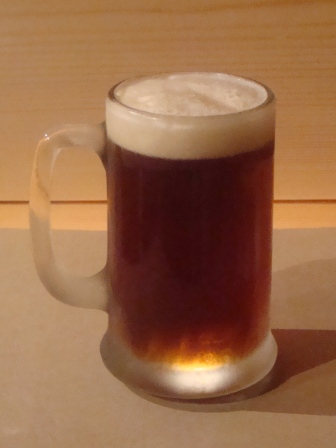
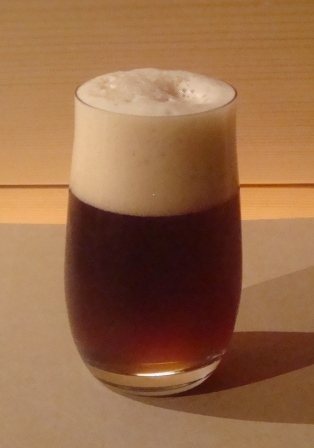
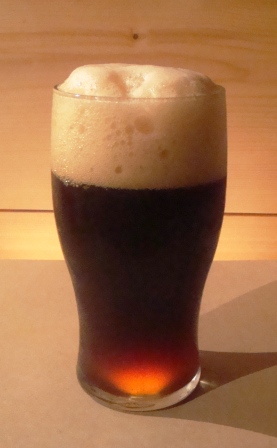
Oaked Burton pours a medium brown with hints of gold; almost an extreme amber. It has a tan, long-lasting head that leaves very little lacing on the glass. The aroma is malty, with hints of oak. The taste is of malt, with caramel, almonds and dark fruit like plum. Roasted grain, oak, and mild alcohol dance in the background. It finishes with a hoppy tang, oaky astringency and an alcoholic warmness.

No one is going to age a commercial beer for ten years these days. The era of the ancient barrel-aged Ballantine is over. But a home-brewer can certainly put a few bottles away for five years, and ten is only double that and well worth the wait–if you’ve got some West Coast Amber to tide you over in the meantime.